From Finished Master to First Spin: The Real Route a UK Bhangra Track Takes to Radio
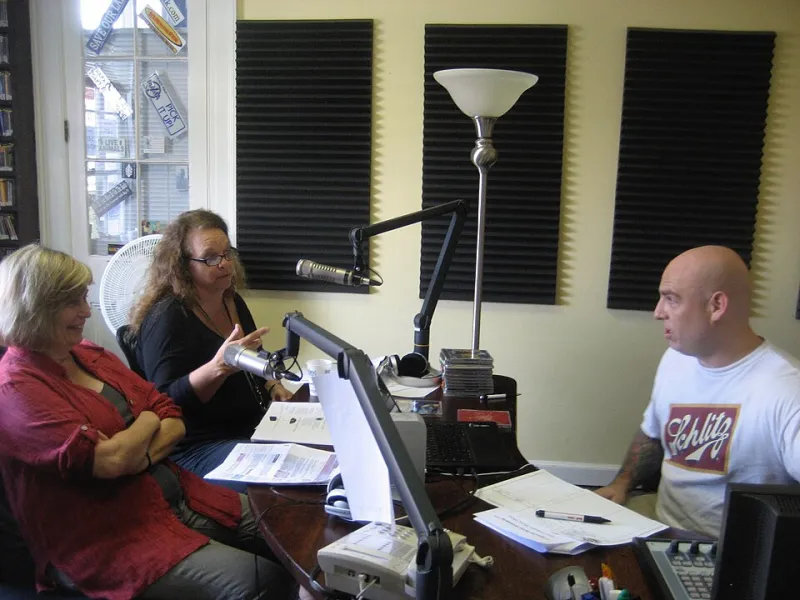
Photo: Infrogmation of New Orleans, CC BY-SA 4.0, via Wikimedia Commons
Every few weeks someone posts the same thing in a UK Bhangra producers' group: a finished track, a nice bit of artwork, a genuine question. It has been out a fortnight and the streams are respectable. How does it get on the radio?
The answer is not complicated, but it is longer than most people expect, and it involves very little of what people imagine. Nobody at a station is sitting by a speaker waiting for your link. Getting a first spin in 2026 is a process — bureaucratic in places, relationship-driven in others, and almost never a matter of the song simply being good enough.
Here is the real route, from finished master to first play.
Stage one: the paperwork nobody warns you about
Before anyone can play your record, the record has to exist as a thing the industry can track.
That means a proper master file, a clean version, and — for most stations — a radio edit with a defined length and no awkward intro that a presenter has to talk over. It means an ISRC code registered through your distributor, metadata that spells the artist's name the same way everywhere, and both PRS and PPL sorted so royalties have somewhere to land. It means a release date that is not yesterday.
Small things kill momentum here. Artwork with the wrong spelling, a title with a feature that nobody cleared, an upload that only exists as a private link. Producers who have done this a few times keep a checklist. Producers who have not spend three weeks learning why their track cannot be added to a playlist that requires a release ID.
If the track is going to radio, there should also be a short, honest description of it. Not a press release. Two lines: who it is for, what it sounds like, why a presenter would put it next to whatever they are already playing.
Stage two: the promo list is not a mailing list
Free marketing advice usually says 'send it to every DJ you can think of'. That is not how it works, and it is the fastest way to get filed under Later.
UK Bhangra still runs on a surprisingly small number of curators. There are the specialist shows on the national stations, the weekend presenters who have built their own audiences, the DJs with monthly mix slots, and a handful of pluggers and regional promoters who have spent years getting records into the right inbox at the right moment.
A plugger's value is not access to a magic address book. It is timing and framing. They know that a certain show is building a Bhangra-heavy run through the summer. They know which presenter is looking for something upbeat for a Friday drive slot and which one is quietly saving material for a year-end special. They know that sending a track four days before the release means it arrives too late for the week's plan and too early to stay in anyone's memory.
For artists going it alone, the practical version of this is a short, well-formatted email with a link that plays immediately, one sentence of context, and no follow-up within seventy-two hours. Send it early — three to six weeks before release is the standard advice, not the day it lands.
Stage three: the playlist meeting
For the national stations, the big shift in a record's life is not a presenter liking it. It is a playlist decision — a weekly meeting where a group of producers and editors look at what is coming in and decide what gets repeat plays across the schedule rather than a single spin on a specialist show.
This meeting does not know your song exists unless somebody champions it. That somebody is usually a producer or presenter who has already played it, liked it, and said so internally. This is why the specialist show matters so much: it is the audition.
A first spin on an evening specialist show is a nice moment for the artist and a small data point for the station. If the track holds up — if listeners respond, if the presenter wants it again, if it sits comfortably next to the other records in rotation — it moves into a conversation about the playlist. From there, the timeline is measured in weeks, not days. Records are added, held, or quietly dropped, and being held is not an insult. It is a queue.
Two things artists get wrong here. They expect the playlist to move fast, and they assume a rejection is permanent. Neither is true. Tracks get picked up later, especially in a season where a particular sound is in demand.
Stage four: community radio, the long game
Outside the national picture sits the part of the ecosystem that has actually broken more UK Bhangra records than anyone gives it credit for: community and regional stations.
Leicester, Birmingham, Manchester, Bradford, West London — the Asian station landscape is local, loyal and deeply connected to weddings, melas and the shop counters where people still talk about music. A presenter on a community station may play a record for eight weeks straight because they like it and their listeners keep asking. That kind of repetition builds familiarity, and familiarity is what makes a song feel like it belongs before anyone has decided it is a hit.
The catch is that these stations do not operate like a national playlist. They run on goodwill, personal contact and presenters who wear three hats. Getting played there requires knowing who the presenter is, not just where the station is. A properly personal message to the person who presents the Saturday evening show will outperform a generic send to the general enquiries address every time.
Stage five: the group chats
Underneath the formal process is an informal one that still moves records at speed — the WhatsApp groups where DJs, promoters, producers and a few very opinionated superfans trade files, opinions and wedding feedback.
This is where a track gets tested in public before it gets tested on air. A DJ tries it at a wedding in Wolverhampton, films the floor, posts thirty seconds, and the response tells everyone more than a playlist meeting ever could. If the clip travels, presenters hear about it. If it does not, no amount of PR will fix the absence of a reaction.
The groups are also where reputations are made and quietly lost. Send a track with no clean version and you will be told. Send the same track eleven times and you will be ignored. Send something genuinely good, with the information attached, and you will be remembered the next time.
Why a strong track is not enough
Everyone wants the answer to be meritocratic. It is partly meritocratic — nobody plays a weak record for long. But a first spin also depends on timing, format, relationships, and whether the song fits what a station is already doing that month.
Two equally good tracks, released on the same day, will have very different journeys. One has a clean edit, a plugger, a friendly producer and a clip that works on a phone screen. The other is a great song in a Google Drive folder. Guess which one gets played.
A realistic timeline
- Week minus 16: master finished, radio edit and clean version prepared, metadata locked.
- Week minus 8: artwork, release ID, PRS and PPL, press shots, short description written.
- Week minus 6: promo goes out to specialist presenters, pluggers and regional contacts.
- Week minus 2: follow-ups to anyone who has shown interest. No chasing beyond one polite nudge.
- Release week: specialist spins begin; community stations pick up at their own pace.
- Week plus 2 to plus 6: playlist conversations, repeat spins, wedding and club testing.
Sixteen weeks, give or take. That is the honest number. Not the answer most people want when they ask how to get on radio, but it is the one that gets a record from a completed file to a voice saying its name on air.