Back-Room Basslines: Why UK Bhangra's Real Training Ground Is Still the Pub
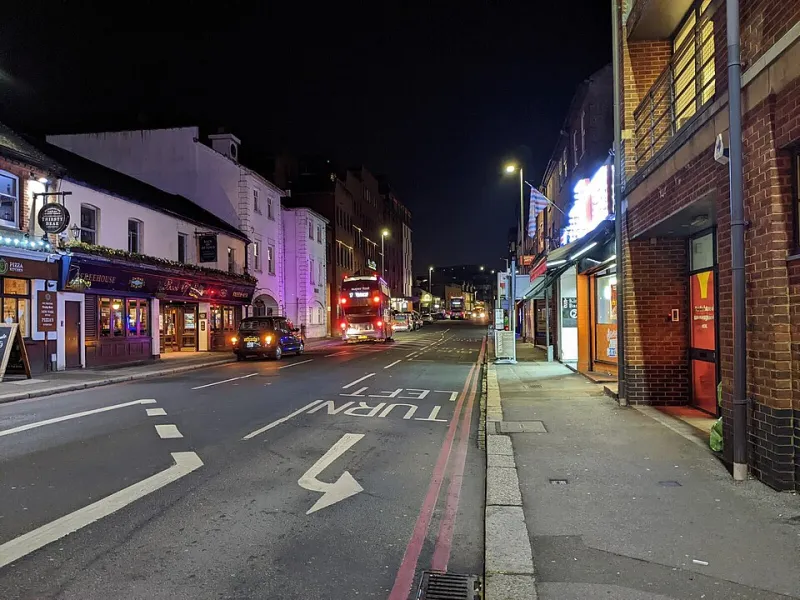
Photo: Rob Purvis, CC BY-SA 2.0, via Wikimedia Commons
Walk into a wedding showcase in 2026 and you will see the polished version of UK Bhangra: matched outfits, a stage manager, a sound check that actually finishes on time. Walk into a pub back room in Southall on a Thursday, or a working men's club in Bradford on a Saturday, and you will see the other version. The one where the band is three feet from the audience, the carpet is sticky, the ceiling is low and nobody is there to make content. That room still matters. In fact, it might matter more than the wedding circuit wants to admit.
The Sticky-Carpet University
The pub and club circuit is where UK Bhangra bands learn to hold attention without a lighting rig or a choreographed entrance. You cannot rely on a big reveal when the audience is already at the bar. You have to win them with a groove, a call-and-response, a dhol break that makes a table of uncles put their pints down. 'You learn quickly what works,' says Jas, who plays dhol with a Southall-based outfit. 'In a wedding you have a captive audience. In a pub you have a room full of people who came for a pint and might stay for a song. That is a different skill.'
Three Rooms Doing the Work
Take The Southall Shakedown, a five-piece that plays the back rooms around west London. Their set is built for low ceilings and close quarters: no long instrumental passages, plenty of choruses, a tumbi line that cuts through chatter. In Bradford, the Backroom Boys — a younger outfit with a rotating cast — have turned the working men's club circuit into a testing ground for new material. They play the songs the wedding crowd will want six months later. And in Handsworth, the Sunday Dhol Club runs a monthly night that feels less like a gig and more like a family party with a PA. Three different rooms, one job: keeping the music in front of people who are not obliged to dance.
The Sound of No Frills
Not every back-room night is magic. Some are tired, badly promoted and reliant on the same five songs. The circuit can be cliquey, and pay is often poor. But the same is true of every training ground. The point is not that pubs are perfect. The point is that they are where a band finds out whether it can actually play. A wedding set can hide a lot: the lights, the free bar, the family obligation to stay until the cake. A pub set hides nothing. If the room is not moving, you can see it in real time.
Why the Wedding Circuit Needs the Pub
The wedding circuit needs these rooms more than it admits. A band that has only played showcases can sound brilliant and still fall apart when the power cuts, the crowd is distracted or the dhol player is late. The pub teaches resilience. It also teaches repertoire: what makes a room move when there are no favours owed and no family pressure to stay. The best wedding bands in the UK are usually the ones that spent years in the back room first. They know how to read a room because they had to.
The Case for Paying Attention
None of this is nostalgia. The pub circuit is under pressure — rising costs, noise complaints, changing drinking habits, venues closing. If UK Bhangra wants a pipeline, it has to care about the rooms where the pipeline starts. That means turning up, buying a ticket, buying a pint, and treating the back-room night as part of the scene rather than a warm-up for the real thing. The wedding is the showcase. The pub is the school. And in 2026, the school is still open — just not for long if nobody shows.