The Silent Bhangra Hour: What UK Couples Gain — and Lose — When the Dhol Goes Wireless

Photo by Photo by Phil Hearing on Unsplash on Unsplash
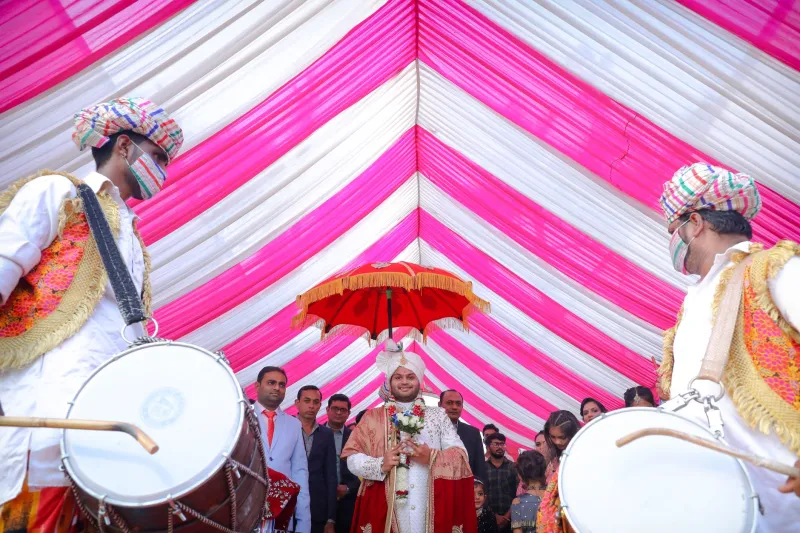
There is a moment at most UK Bhangra weddings when the room stops being a room. The dhol lands, the bass follows, and 200 people who were politely nibbling kebabs suddenly become one moving thing. It is loud, slightly chaotic and completely communal. So the idea of putting that moment into headphones sounds, at first, about as sensible as serving lukewarm samosas.
Yet the silent Bhangra hour is no longer just a novelty. Across marquees in Surrey, community halls in Southall, hotel ballrooms in Birmingham and a few stubbornly residential venues in Manchester, couples are asking a new question: can we keep the Bhangra going after the sound curfew without upsetting the neighbours, the venue or the licensing officer?
Why headphones are turning up at weddings
The pressure is not imaginary. Many UK venues have strict cut-off times for amplified music, and residential noise complaints can turn a happy reception into a tense negotiation with a duty manager. Marquee weddings often have tighter practical limits than the couple expected. Hotels may allow the bar to stay open but not the bass. And the old workaround — turn it down and hope nobody notices — tends to produce the worst possible outcome: a dancefloor that is neither quiet enough for the neighbours nor loud enough to feel like a wedding.
Silent-disco technology offers a different answer. Guests wear wireless headphones, the DJ or dhol player feeds a mix into a transmitter, and the room goes physically quiet while the dancefloor stays busy. For venues, that can mean later licences, fewer complaints and a more controlled sound footprint. For couples, it can mean the difference between the music stopping at 10.30pm and the cousins still going at midnight.
The case for going wireless
The strongest argument is not actually about volume. It is about permission. A silent set can let a wedding use a space that would otherwise be off-limits after a certain hour. It can protect a marquee in a village where one nearby resident has the council on speed dial. It can keep the party in the same room instead of herding guests into a smaller, sadder bar area.
There is also a creative upside. With headphones, the mix can be tighter. The dhol can be mic’d and balanced rather than fighting the room. An MC can speak directly into the channel without feedback. Guests can chat, flirt, queue for the bar or sit one out without shouting. For families with older relatives or small children, that is not a small thing. The silent hour can be a genuinely considerate addition to a long day.
What gets lost when the dhol goes quiet
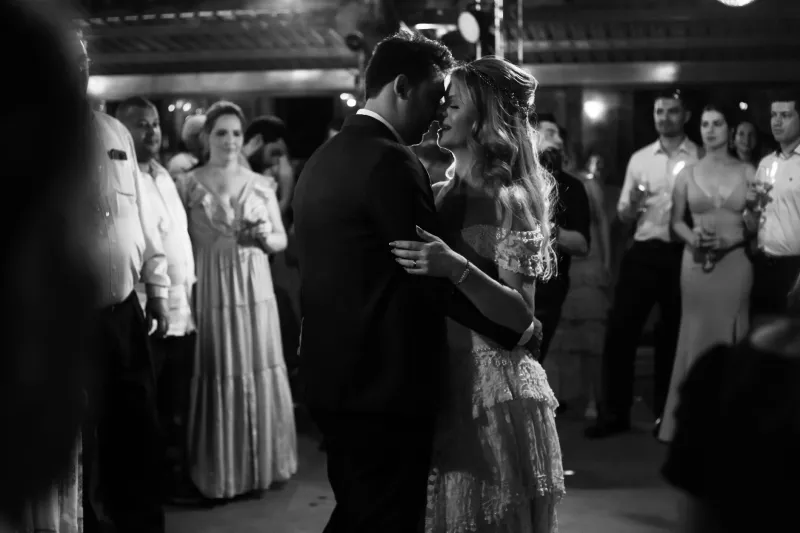
But let’s not pretend the trade-off is painless. Bhangra is a physical music. The dhol is felt in the chest before it is understood by the feet. A bassline moves through a room and makes people move together. Headphones privatise that experience. You get the song, but you lose the shared air pressure. The dancefloor can look lively while feeling strangely contained — a room full of people having a brilliant time in their own separate bubbles.
There is also the social awkwardness. Someone always forgets to charge their headphones. Someone always takes them off to talk and then misses the drop. The aunties may need a demonstration. The uncles may need a second demonstration. And the photographer may need a third, because a silent dancefloor can look, from certain angles, like a very upbeat queue.
The practical 2026 checklist
If you are considering a silent Bhangra hour, treat it like a piece of event production rather than a gimmick. Here is a sensible starting point.
- Ask the venue first, in writing. Confirm whether a silent set actually extends your music licence or simply moves the noise problem. Get the cut-off time, the permitted equipment and any restrictions on headphone hire in the contract.
- Check the room, not just the rig. Headphones work best when the space is not already echoing. A glass-fronted hotel ballroom and a carpeted community hall are different beasts. Ask for a site visit or a sound test.
- Book someone who has done it before. A DJ or dhol player who understands silent systems will balance the mix for headphones, not for a room. That is a different skill from running a standard wedding set.
- Mic the dhol properly. A wireless system is only as good as its input. If the dhol is loud and clipped, the headphones will sound harsh. If it is too quiet, you lose the point of the hour.
- Plan the handover. The move from main system to headphones needs an MC or host to explain it. Do not just cut the sound and hope. Give guests a two-minute warning, hand out headphones at the door and keep spares charged.
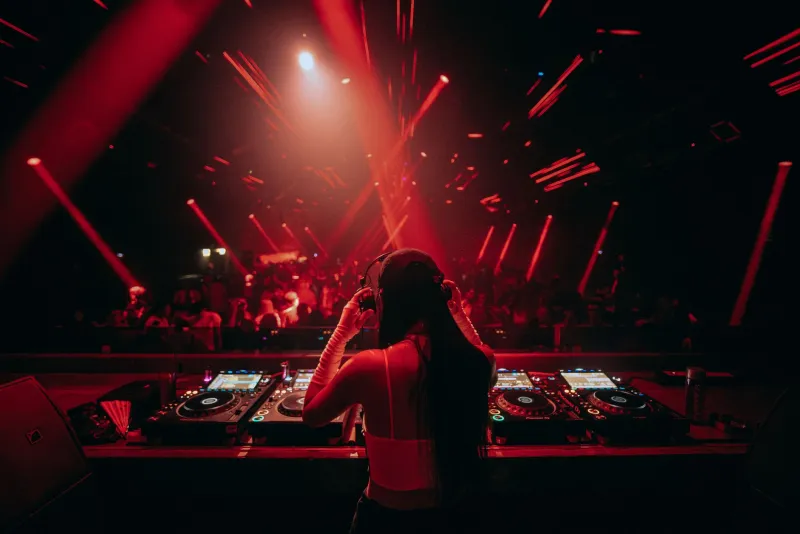
- Sort the lighting. A silent dancefloor needs visual energy. Uplighting, a few moving heads and a lit DJ booth help the room feel like a party rather than a library with better playlists.
- Have a non-silent fallback. Keep a small speaker or a acoustic dhol option for the final ten minutes if the system glitches. Weddings do not need dead air.
- Tell the guests in advance. A line on the schedule — “11pm: Silent Bhangra Hour, headphones provided” — saves a lot of confused faces.
The verdict
The silent Bhangra hour is not a replacement for a proper wedding dhol moment. It is a pressure valve. Used well, it can buy a couple another hour of music, keep a venue on side and give the dancefloor a second life when the main system has to go quiet. Used badly, it can feel like a gimmick that separates the cousins from the celebration.
For UK couples wrestling with sound limits in 2026, the question is not whether headphones are authentic. It is whether they solve your specific problem. If the venue is strict, the neighbours are close and the family is not ready to stop, a silent Bhangra hour can be a smart, practical fix. If you have a sympathetic venue and a room that can take the volume, keep the dhol loud and let the walls shake. Some things are worth the noise complaint risk — and the first drop of a Bhangra set is usually one of them.