Plug In, Hand Over: The Little USB Stick That Actually Runs a UK Bhangra Wedding
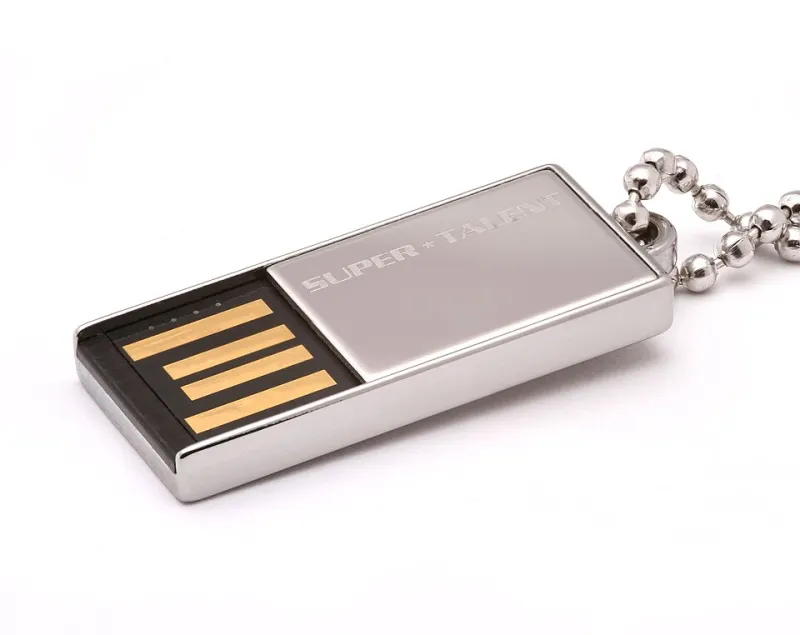
Photo: Afrank99, CC BY-SA 3.0, via Wikimedia Commons
Every UK Bhangra wedding has a piece of kit that never appears on the supplier spreadsheet. It is not the dhol, the DJ booth or the light-up dancefloor. It is a USB stick — usually black, usually scratched, often with a strip of masking tape on it — that gets pressed into someone’s hand sometime between the mehndi and the final round of samosas. In 2026, that little drive is still doing a job no cloud folder has managed to replace: carrying the family’s version of the wedding soundtrack.
The Handover Is the Ritual
The handover rarely happens quietly. It comes with instructions, warnings and at least one cousin saying, ‘ Don’t lose it, it’s got everything on it. ’ The stick might travel from Southall to Leicester in a handbag, sit in a glovebox in Birmingham for a week, then turn up at a community hall in Wolverhampton with a new label on it. By the time it reaches the DJ, it has a history.
That history is the point. A wedding playlist is not just a list of songs. It is a negotiation between what the couple wants, what the aunties expect and what the dancefloor will actually respond to. The USB stick is where those three things collide — often in a folder called ‘FINAL wedding tunes use these’ with another folder inside called ‘actually final’.
What’s Actually on the Stick
Open one of these drives and you will find a very specific ecosystem. There are the nineties classics that have survived every playlist cull since the decade itself. There are boliyan tracks — sometimes three versions of the same one, labelled only by the name of the person who sent them. There are edits that fade out too early, edits that fade out too late, and at least one file called something like ‘Track 14 – Unknown (Aunty’s favourite)’.
Then there are the mystery tracks. Every family stick has them. A file with no artist, no title and a running time of two minutes and eleven seconds. Nobody knows where it came from. It might be a live recording from a wedding in 2014, a WhatsApp voice note that got saved by accident, or a remix that someone’s brother-in-law made on a laptop in Bradford. But it always survives the clear-out. Nobody deletes it, because somebody might ask for it.
The Tracks That Always Survive
Certain songs seem to be written into the firmware. The big nineties bangers are still there. The boliyan that gets the chachi group up before the chorus. The one slow track that the couple swear they will use for a special moment, then forget about until the DJ plays it at the wrong time. And the ‘family anthem’ — the song that means nothing to the DJ and everything to the room.
What is interesting in 2026 is how many couples are now treating the stick as a curated object rather than a dumping ground. They are renaming files properly. They are making a ‘must play’ list and a ‘please avoid’ list. Some are even adding cue points so the DJ knows where the dhol kicks in. It is still a family stick, but it is a slightly more organised one.
Backup Like You Mean It
The practical advice is simple, even if it is rarely followed. Bring two sticks. Not one stick and a phone. Two actual USB drives, because phones die, cables go missing and venue laptops are not always friendly. Label them clearly. Keep one with the DJ and one with a cousin who is not likely to leave it on a chair.
Format matters too. Most DJ setups will read a standard FAT32 drive without drama. Keep the files in a sensible folder structure — one folder for must-plays, one for boliyan, one for dinner, one for the dancefloor. Avoid long file names full of emojis and brackets. And make a backup at home before the wedding week begins, because the stick that has been in a glovebox since the mehndi is not a backup plan.
The DJ’s Side of the Table
DJs have seen every version of the family stick. They have received drives with 400 tracks and no order. They have been handed drives with one track on them and a note saying ‘this is the important one’. They have also learned to ask the right questions: what are the three songs you cannot leave without hearing? What should we avoid? Who is the person in the family who will tell me if the room is going wrong?
The best handovers are conversations, not transactions. The stick is the starting point. The DJ still has to read the room, watch the aunties and know when to switch from a nineties classic to a boliyan before the energy drops. The stick cannot do that. It can only carry the family’s intentions.
A Small Drive With a Big Job
In an age of streaming and shared folders, the USB stick should feel obsolete. It does not. It is physical, it is personal and it is small enough to lose — which is exactly why it matters. It is the family’s mixtape, the couple’s insurance policy and the DJ’s homework all in one. So label it, back it up, hand it over with a clear head and maybe keep the mystery track on there. Somebody will ask for it.