Needle Drop, Bass Heavy: The UK Backrooms Keeping Punjabi Music Physical
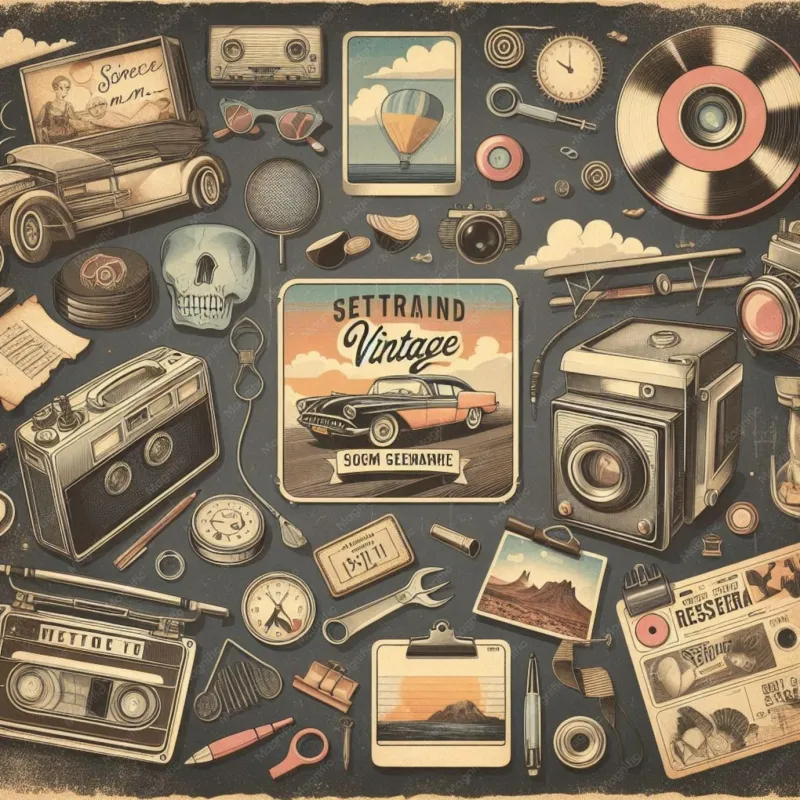
Photo: vintage Punjabi vinyl records and cassette tapes in a UK independent record shop backroom, dusty shelves, via img.freepik.com
The first thing you notice is the smell: cardboard, dust and old cellophane. The second is the sound of a shopkeeper dragging a box across the floor. In a backroom off Southall’s Broadway, Baljit Singh is looking for a cassette he has not seen in months. It is a UK bhangra release from the early 1990s, the kind of thing that once sold from the counter in plastic cases and now turns up in job lots, house clearances and the occasional WhatsApp message from a customer in Wolverhampton.
‘People think this stuff is dead,’ he says, holding the tape up to the light. ‘It is not dead. It is just not on the shelf. You have to know where to look.’
That is the reality of Punjabi music’s physical underground in 2026. Streaming has made almost everything available, but it has also flattened the way music looks and feels. The backrooms, market stalls and record boxes that still trade in bhangra vinyl, Punjabi folk cassettes and UK garage-adjacent 12-inches are not museums. They are working parts of a scene that refuses to let the format disappear.
The shop as a memory bank
Baljit’s shop is part convenience store, part archive. There are shelves of groceries at the front, but the back is where the regulars head. Boxes are stacked by genre and decade: Punjabi folk, UK bhangra, ghazals, qawwali, film soundtracks. Some covers are faded. Some have handwritten prices in biro. A few have names and phone numbers on the back, left by previous owners who lent them out and never quite got them back.
For Baljit, the stock is not just product. It is a record of migration, family taste and the way music moved between Punjab and the UK. ‘You can tell a lot about a family from what they bring in,’ he says. ‘If there is a lot of old folk, maybe the grandparents were the music people. If it is all bhangra, maybe the kids were buying. Sometimes they bring in a whole collection and you find things you have never seen before.’
That sense of discovery is why young collectors are starting to pay attention. In Leicester, on Belgrave Road, a stallholder named Harpreet sells cassettes alongside clothes and jewellery on weekends. He says the buyers are changing. ‘It used to be older men looking for something they used to have,’ he explains. ‘Now it is students, DJs, girls making reels, people who want the artwork. They want the object.’
Why physical still matters
Streaming is convenient, but it is not always complete. UK bhangra’s golden-era releases were often pressed in small runs, sold through local shops and never properly licensed for digital. Some tracks exist only on cassette. Some vinyl versions have different mixes, longer intros or dub versions that never made it to Spotify. For DJs, that matters.
Rav Gill, a Birmingham-based DJ who plays bhangra and Punjabi folk at weddings and club nights, says he still digs for physical copies because the digital files do not tell the whole story. ‘You find a version of a track that has a different bassline or a different vocal take,’ he says. ‘And the crowd knows. They might not know why it sounds different, but they feel it.’
There is also the ritual. Sliding a record out of its sleeve, checking the condition, placing the needle — it slows the listening down. Cassettes have their own ritual: the click of the case, the rewind, the hand-written tracklist. In a streaming-first culture, those small delays can feel like a luxury. In a scene built on house parties, weddings and community halls, they also feel familiar.
The new hunters
Aman, 24, from Leeds, started collecting bhangra cassettes during the pandemic. He now has two shelves of them, mostly UK releases from the 1980s and 1990s, plus a growing stack of Punjabi folk tapes his grandparents brought over. He buys from Discogs, record fairs and a network of sellers on Instagram. But he says the best finds still come from shops.
‘Online, you pay a premium and you know exactly what you are getting,’ he says. ‘In a shop, you might find something for two pounds that nobody has listed. That is the thrill. You are not just buying a tape. You are rescuing it.’
That word — rescuing — comes up a lot. Collectors talk about saving music from skips, from damp garages, from families who do not realise what they have. But there is a risk of turning the scene into a nostalgia project. The point is not to pretend that 1994 was better than 2026. The point is to keep the physical record of UK bhangra available to the people making new work now.
The backroom is not a museum
In Birmingham, a small record fair in Digbeth has started including a Punjabi music table alongside soul, reggae and house. The organiser says the response has been surprising. ‘We thought it would be a niche within a niche,’ she says. ‘But people are curious. They pick up a bhangra 12-inch because the cover looks interesting, and then they ask questions.’
That curiosity is the future. The UK’s physical Punjabi music scene does not need to be sentimental about the past. It needs shops that stay open, stalls that keep trading and collectors who share what they find. It needs DJs who play the vinyl and teachers who explain the history. It needs young people to know that the music they stream every day also exists as something they can hold.
Baljit puts the cassette back in its case and slides it into a paper bag. ‘This one is going to a customer in Glasgow,’ he says. ‘He has been looking for it for years. That is what keeps the shop going. Not the groceries. The hunt.’
In 2026, that hunt is still alive. It just happens in backrooms, not on algorithms.