A Song of Your Own: The Producers Turning UK Weddings Into One-Off Bhangra Releases
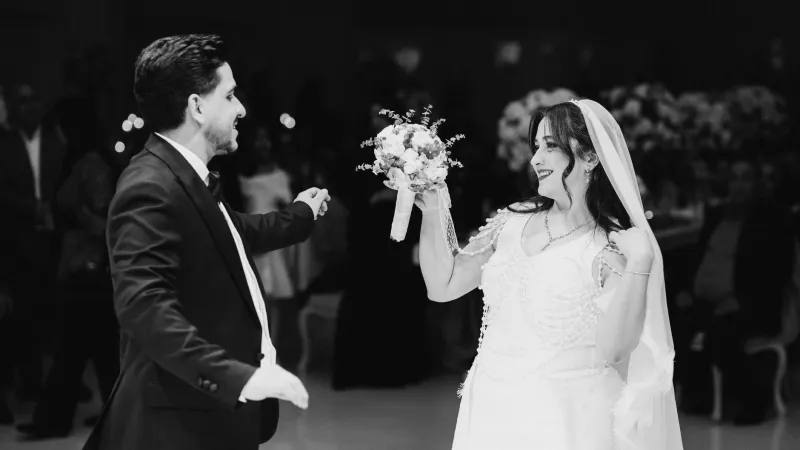
There was a time when the big Bhangra moment at a UK wedding was almost guaranteed: the DJ dropped a familiar opening, the dhol player leaned in, and the floor filled before the first chorus. That still happens. But in 2026, a growing number of couples are adding something else to the night — a track that did not exist until they ordered it.
Call it the bespoke Bhangra wedding anthem. It might be a full song written around a couple's story, a first-dance edit that samples a grandmother's voice note, or a reception opener built around the groom's family village and the bride's favourite hook. Producers from Southall to Handsworth, Leicester to Glasgow, are taking on these commissions. And the results are changing how some weddings sound.
From playlist staple to personal cut
The standard wedding set is not going anywhere. Tracks that have packed out receptions for years still do a job, and no DJ wants a half-empty floor while guests wait for a song they know. But the brief has shifted. Couples are asking for one original moment — sometimes two — that sits alongside the classics rather than replacing them.
Producers describe briefs that read like mini biographies: how the couple met, the city they live in, a running joke, a Punjabi phrase a parent uses, the names of close family members. The lyrics might be in Punjabi, English or a mix of both. The arrangement can lean on tumbi and dhol, or pull in bass, strings and a more contemporary UK sound. The point is not to make a generic wedding song with a name swapped in. It is to make something that could only belong to one couple.
The family-voice angle is particularly popular. Couples send voice notes of grandparents, parents or siblings, and producers work those recordings into intros, bridges or outros. It can be deeply moving. It also needs care. Everyone sampled should know how the clip will be used, especially if the track is going on social media or a streaming platform. A wedding is private; a release is not.
What goes into a custom anthem
Most projects follow a similar shape. There is a discovery conversation, a shortlist of reference tracks, a lyric draft, a vocal session and then the build: dhol, percussion, bass, keys, perhaps a live instrumentalist brought in for the day. Timelines vary, but couples are often advised to start six to 12 weeks before the event. Leaving it until the final fortnight invites rushed mixes and stressed singers.
Cost is just as varied. A simple personalised track with a session vocalist and programmed dhol might sit in the hundreds of pounds. A fuller production with studio time, live dhol, multiple vocalists, a lyric video and a radio-style edit can climb into the low thousands. In a wedding market where outfits, venues and photography already carry serious price tags, the custom song is not the cheapest line item. But producers argue that it pays session players and creates a keepsake that outlasts the night.
Credit is where things can get messy. Who wrote the lyrics? Who sang the hook? Who played the dhol? If the track is going on YouTube, Instagram or Spotify, the paperwork matters. Couples should agree in writing whether the song is for private use only or for release, who owns the master, how the producer and vocalists are credited, and what happens if a family member asks for their voice to be removed later. A cheerful WhatsApp agreement is not quite the same as a split sheet.
The dancefloor test
A custom track still has to work in the room. That means more than a good story. The intro needs to give the DJ something to work with. The chorus needs to land for guests who have never heard it before. The full version might run to four minutes, but a 60-second highlight edit is often just as useful for the first dance, the entrance or the social media clip afterwards.
This is where experienced producers earn their keep. They know that an inside joke can be gold for the couple and baffling for 200 guests. They know that a heavy dhol intro may need a softer start if grandparents are walking in. They know that a first dance choreographed to a bespoke song can be lovely — and that a first dance built around too many tempo changes can be a nightmare for anyone with two left feet.
The best custom anthems tend to balance the personal and the communal. There is a line for the couple, a moment for the families, and a rhythm that lets the room join in. The song is not a replacement for the shared repertoire. It is a new entry in it.
Cost, credit and the wider scene
The boom raises awkward questions. If bespoke tracks become a marker of status, weddings with smaller budgets may feel pushed further from the centre of the conversation. The UK Bhangra scene has always had room for both the polished and the homemade, but the wedding market can be unforgiving about price. Producers who want a sustainable business should be clear about what different budgets can realistically buy.
There is also the credit question. Wedding content moves fast. A clip of a first dance can rack up views while the vocalist who sang it, or the dhol player who gave it the punch, goes unnamed in the caption. In 2026, that is not just a courtesy issue. It is a professional one. Session musicians and singers should be credited, paid properly and clear about how their work will be used.
For the wider scene, the trend is a mixed bag. On one hand, it puts money into the hands of UK-based producers, players and singers. It encourages lyric writing, arrangement and studio craft — skills that do not always get the spotlight in a market obsessed with viral clips. On the other, a wedding song made for one night does not automatically enter the shared songbook. It may never be played at another wedding, never get a radio spin, never become part of the culture beyond a private link.
That is not necessarily a loss. Some songs are meant to be kept. But the scene should pay attention to what is being made, who is making it and who is getting paid. Custom work can feed the wider ecosystem if the talent behind it is visible, fairly treated and encouraged to make their own releases too.
What couples should ask before booking
Start with the brief. What do you actually want the song to do — first dance, entrance, sangeet finale, a gift for parents? Be realistic about the timeline and the budget. Ask what is included: lyrics, vocal recording, dhol, mixing, a clean edit, a highlight version, a video? Ask who owns the recording and who gets credited. Ask how family voice notes will be stored and whether they can be removed later. And ask to hear previous work, not just the polished highlights.
A bespoke Bhangra wedding track is not for every couple. Some will always prefer the reliable rush of a classic. But for those who want one, the appeal is obvious. It is a song that says: this happened, in this family, in this city, on this night. In 2026, that is a powerful thing to put on the dancefloor.