Decibel Diplomacy: The UK Bhangra Sound Engineers Trying to Keep the Dhol Felt, Not Just Heard
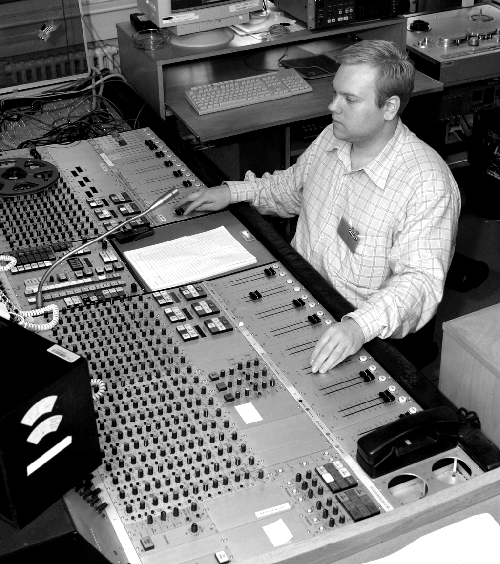
Photo: Unknown, CC BY-SA 3.0, via Wikimedia Commons
Picture the scene. A hotel ballroom in the Midlands, sometime in 2026. The couple has just walked in, the DJ has dropped the first big track, and the dhol player has been waiting for this exact moment. First hit. The room should lift. Instead, the limiter LED on the house system blinks red, the low end folds in on itself, and the dhol suddenly sounds like it is being played through a laptop speaker in another room. The dancefloor does not erupt. It hesitates.
That moment is becoming familiar across UK Bhangra events. The issue is not that promoters have stopped wanting loud, physical, chest-rattling sound. It is that the rooms, the licences and the neighbours have more of a say than ever. Welcome to decibel diplomacy — the quiet, technical, occasionally maddening work of keeping Bhangra loud enough to matter.
The First Hit Is the Test
Dhol is not a subtle instrument. It is transient-heavy, low-mid rich and designed to cut through a crowd. A good dhol hit is felt before it is fully heard. That is exactly what makes it difficult in venues with noise caps and installed sound systems.
“A lot of hotels have a house limiter and they do not really care what genre you are playing,” says one London-based live sound engineer who works across Asian weddings and club nights. “The system sees a spike, it pulls everything down. You can be under the average limit and still get punished on the transients. Dhol is basically a stress test for those systems.”
The result can be counterintuitive. The room may not sound quieter in terms of background music, but the dhol loses its shape. The bass side — the dagga — turns into a dull thud. The treble side — the tilli — becomes brittle. The dancefloor reads that as a vibe problem, not a technical one. And once a Bhangra crowd thinks the sound is off, it is very hard to win them back.
A Limiter Is Not a Volume Knob
Part of the problem is language. Promoters talk about “volume”, venues talk about “decibels”, and engineers talk about headroom, compression and sound pressure levels. They are not the same conversation.
A limiter is a safety device. It stops peaks from clipping the system. But when it is set aggressively — or when the venue has not tuned it for live percussion — it can flatten the very dynamics that make Bhangra work. The dhol does not just need to be loud. It needs to be clear, punchy and present. A clipped dhol is worse than a quiet one because it sounds broken.
“You can have a system pushing 100 dB and still have a dhol that sounds rubbish,” says a Manchester-based audio tech who has worked on community hall events and marquee weddings. “And you can have a system sitting lower than that, with good mic placement and a bit of care, where the dhol still feels exciting. The number on the meter is not the whole story.”
The Room Always Has a Vote
UK venues come with their own acoustic personalities. A Victorian community hall with high ceilings can swallow low end. A modern hotel ballroom with carpet, drapes and a low ceiling can turn dhol into a muddy boom. A marquee in a suburban garden is one noise complaint away from an early finish. A city centre club may have the rig, but not the licence for a live dhol at 1am.
Licensing adds another layer. Temporary Event Notices, premises licences, council noise teams and residential neighbours all shape what is possible. Promoters in 2026 are increasingly factoring sound into the booking decision before they even confirm the artist. Some are choosing earlier set times. Some are opting for venues with better isolation rather than prettier photos.
“We have turned down rooms that looked great online because we knew the sound would be a fight,” says a Birmingham promoter who runs Bhangra nights and wedding after-parties. “You can hire the best dhol player in the country, but if the venue’s limiter is set for a background playlist, you are wasting everyone’s time.”
Workarounds That Actually Work
The good news is that engineers and players are adapting. Mic placement is the first battleground. A single overhead mic can pick up the dhol’s attack but also the room. Close mics on both heads, carefully placed and gated, can give more control. Some techs use a combination: one mic for the low end, one for the treble, and a little bit of overhead for the room. It is not plug-and-play.
Soundchecks matter more than ever. A line check with a backing track is not enough. Engineers need to hear the actual dhol, at performance intensity, in the actual room. That can mean an extra hour on site and an extra cost — but promoters say it saves the night.
Physical workarounds help too. Moving the dhol player off the stage and into the room can change how the sound reaches the dancefloor. Drum shields can reduce spill, though they can also make the player feel isolated. Smaller rigs, better placed, sometimes beat bigger rigs pushed too hard. And some events are splitting the night: acoustic dholki or a lighter set earlier, amplified dhol later, so the loudest moments land when the room and the licence allow.
The Cost of Keeping It Clean
None of this is free. A dedicated engineer, proper mics, extra time and acoustic problem-solving all add to the budget. For bigger weddings and established club nights, that is manageable. For smaller promoters and family-run events, it can be the difference between a profit and a loss.
There is also a skills gap. Not every DJ or wedding band engineer has experience with live dhol. Not every dhol player has worked with a sound engineer who understands the instrument. The best results come when both sides talk before the event, not during the first song.
“We need more people who understand both worlds,” says the London engineer. “You do not need to be a dhol expert. But you need to know that it is a percussion instrument with a lot of transient energy, and you need to respect that.”
Loud Enough, Not Just Louder
The fight for the dhol in 2026 is not really a fight against noise rules. It is a fight for better sound within them. The venues that get it right are not necessarily the ones with the biggest rigs. They are the ones that plan, communicate and treat Bhangra as a live music culture rather than a playlist with a drummer attached.
For audiences, the difference is obvious. A well-handled dhol can still lift a room without breaking a licence. It can still make a dancefloor move. It just needs the people behind the desks and the people behind the drums to be on the same page.
The limiter may always win in the end. But in the best rooms, nobody in the crowd notices it at all.